Himalaya Exploration Tours & Travel is a registered Nepal-based agency specializing in trekking, cultural tours, and custom travel with expert local guidance and reliable service.


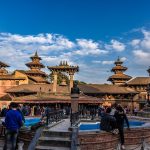
Kathmandu, the capital of Nepal and the heart of the Himalayas, is a dynamic mix of ancient heritage and modern vibrancy. At the core of its charm lies the historic Kathmandu Durbar Square, a UNESCO World Heritage Site filled with palaces, shrines, and courtyards from the Malla period.
But Kathmandu is more than just monuments—it’s a city of living traditions. From the bustling streets of Thamel to the sacred sites of Swayambhunath (Monkey Temple) and Pashupatinath Temple, the city is a gateway to Nepal’s spiritual and cultural diversity. Festivals, daily rituals, and artisanal markets keep the city alive with energy and tradition.
Ideal for first-time visitors and seasoned travelers alike, Kathmandu offers a complete Nepal experience—heritage, hospitality, and adventure, all in one vibrant urban landscape.
Kathmandu, the capital and largest city of Nepal, is located in the Kathmandu Valley at about 1,400 meters (4,600 feet) above sea level. It serves as the political, cultural, and economic center of the country, welcoming travelers from around the world. The city is home to a diverse population, including the indigenous Newar community, and Nepali is the official language, with English widely spoken in tourist areas.
Renowned for its rich heritage, Kathmandu boasts numerous UNESCO World Heritage Sites such as Kathmandu Durbar Square, Swayambhunath (Monkey Temple), Pashupatinath Temple, and Boudhanath Stupa. These landmarks showcase centuries-old architecture and are vital spiritual centers for both Hinduism and Buddhism. The city also hosts vibrant festivals like Dashain and Tihar, which fill the streets with traditional music, dance, and cultural celebrations.
Kathmandu is the main gateway for trekking routes to the Himalayas, including Everest Base Camp and the Annapurna Circuit. The city offers a lively mix of ancient tradition and modern life, with bustling markets, diverse cuisine, and friendly hospitality. Visitors are encouraged to dress respectfully at religious sites and consider local guides to gain deeper insights into the city’s culture and history.

Kathmandu, the capital city of Nepal, is a dynamic metropolis where ancient heritage and modern life blend seamlessly. Nestled in the Kathmandu Valley at an elevation of approximately 1,400 meters (4,600 feet), this city is the gateway to Nepal’s rich cultural, religious, and historical treasures. With its bustling streets, ancient temples, vibrant markets, and warm hospitality, Kathmandu offers travelers an immersive experience in Nepalese culture and history while serving as the starting point for adventures to the Himalayas.
Kathmandu is strategically located in the heart of Nepal and serves as the main hub for international travelers entering the country. Tribhuvan International Airport, the country’s only international airport, connects Kathmandu with major cities worldwide. The city’s central position also makes it an ideal base for exploring nearby destinations such as Bhaktapur, Patan, Nagarkot, and the trekking gateways of Pokhara and the Annapurna region.
Within the city, a network of roads and public transportation, including taxis, buses, and rickshaws, make getting around accessible. Despite heavy traffic congestion in peak hours, Kathmandu’s compact size allows visitors to explore many key sites within a few hours’ walk or short ride.
Kathmandu has a history stretching back over 2,000 years, shaped by the influences of Hinduism and Buddhism, which coexist harmoniously here. The city is home to seven UNESCO World Heritage Sites, including Durbar Squares in Kathmandu, Patan, and Bhaktapur, the revered Pashupatinath Temple, the Buddhist stupa of Boudhanath, and the sacred Swayambhunath (Monkey Temple).
These historic landmarks showcase exquisite Newari architecture, ancient palaces, intricate wood carvings, and vibrant religious art. Durbar Square, once the royal palace complex, is a bustling cultural heart where festivals, rituals, and daily life converge. Visitors can witness traditional music and dance performances, artisan workshops, and colorful street celebrations that bring the city’s heritage to life.
Kathmandu is a vital spiritual center for both Hindus and Buddhists. The city’s many temples and stupas are not only tourist attractions but active places of worship and pilgrimage. The Pashupatinath Temple, one of the most important Hindu shrines dedicated to Lord Shiva, draws devotees from Nepal and India alike, especially during festivals like Maha Shivaratri.
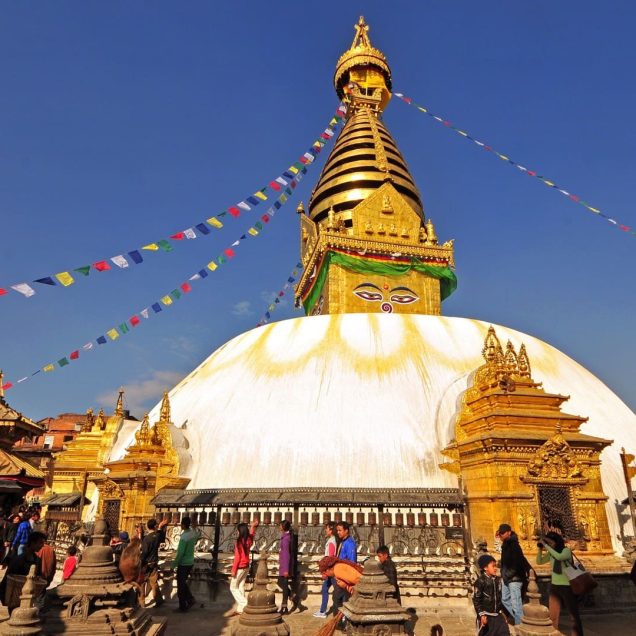
Boudhanath Stupa is one of the largest spherical stupas in the world and a focal point for Tibetan Buddhism. Surrounded by monasteries and shops selling religious artifacts, it offers visitors a tranquil atmosphere for meditation and cultural exchange. Similarly, Swayambhunath, perched on a hill overlooking Kathmandu, provides panoramic city views along with a vibrant mix of prayer wheels, statues, and rituals.
Kathmandu’s population is ethnically diverse, including Newars, Brahmins, Chhetris, Tamangs, Sherpas, and Tibetans, among others. This rich tapestry is reflected in the city’s festivals, cuisine, languages, and art. Major festivals such as Dashain, Tihar, Indra Jatra, and Buddha Jayanti showcase traditional music, dance, religious ceremonies, and communal gatherings that invite participation from locals and visitors.
Street markets, handicraft shops, and artisan quarters like Thamel and Patan provide ample opportunities to explore Nepalese culture through handmade textiles, pottery, metalwork, and paintings. The city’s café culture has also grown significantly, blending traditional hospitality with international influences.
While Kathmandu embraces its heritage, it is also a modern city with a variety of amenities. Visitors will find comfortable hotels ranging from budget guesthouses to luxury resorts, international restaurants, art galleries, theaters, and shopping centers. The city serves as a hub for trekking agencies, tour operators, and adventure sports providers, making it convenient to arrange excursions into the Himalayas or cultural tours within the valley.
Medical facilities, banks, internet cafés, and transportation services are widely available, ensuring a comfortable stay for travelers of all kinds.
Kathmandu has faced several challenges, including rapid urbanization, traffic congestion, pollution, and vulnerability to natural disasters like the devastating 2015 earthquake. The resilience of its people and ongoing restoration efforts have played a crucial role in preserving the city’s cultural heritage while adapting to modern needs.
Earthquake reconstruction projects have restored many historic buildings and monuments, balancing preservation with improved safety standards. Sustainable tourism initiatives and community programs aim to protect Kathmandu’s environment and cultural assets for future generations.
Explore Durbar Square: Marvel at the intricate architecture, ancient temples, and vibrant street life in the heart of Kathmandu.
Visit Pashupatinath Temple: Experience one of Hinduism’s most sacred sites, especially during major festivals.
Boudhanath and Swayambhunath Stupas: Engage with Buddhist culture through visits to these iconic spiritual landmarks.
Thamel District: Discover Kathmandu’s bustling tourist quarter with shops, restaurants, nightlife, and cultural events.
Cultural Museums and Art Galleries: Explore Nepalese history and contemporary art.
Day Trips: Easy access to nearby heritage towns such as Bhaktapur and Patan, and natural escapes like Nagarkot.
The best time to visit Kathmandu is during the spring (March to May) and autumn (September to November) when the weather is pleasant, skies are clear, and festivals are abundant. These seasons offer comfortable temperatures and ideal conditions for sightseeing and trekking preparation.
Winter months are cooler but less crowded, while the monsoon season (June to August) brings heavy rains that can disrupt travel plans and reduce air quality.
Kathmandu offers an unmatched combination of historical grandeur, vibrant culture, spiritual significance, and modern convenience. It serves as a gateway to Nepal’s natural wonders and a destination in its own right, where travelers can experience the soul of the country through its temples, festivals, markets, and warm people.
Whether you are beginning a Himalayan trek, exploring Nepalese history, or immersing yourself in the city’s lively atmosphere, Kathmandu provides a rich and memorable experience that captivates visitors time and again.

This will close in 20 seconds