Himalaya Exploration Tours & Travel is a registered Nepal-based agency specializing in trekking, cultural tours, and custom travel with expert local guidance and reliable service.


Bhaktapur Durbar Square is the crown jewel of Nepal’s ancient architecture—a UNESCO World Heritage Site that feels like a journey back in time. Unlike other royal squares in the Kathmandu Valley, Bhaktapur maintains its original character, with fewer modern intrusions and more cultural depth. Just 30 minutes from Kathmandu, this living museum is known for its 55-Window Palace, the Golden Gate, and the towering Nyatapola Temple.
Wander through cobbled alleys, witness traditional pottery-making, and explore artisan markets that showcase centuries of Newar craftsmanship. Whether you’re captivated by intricate wood carvings or want to experience Nepal’s iconic Bisket Jatra festival, Bhaktapur offers an authentic cultural experience that appeals to history buffs, photographers, and culture-seekers alike.
This is more than a sightseeing stop—it’s an opportunity to slow down, savor timeless heritage, and see how Nepal’s traditions are still alive today.
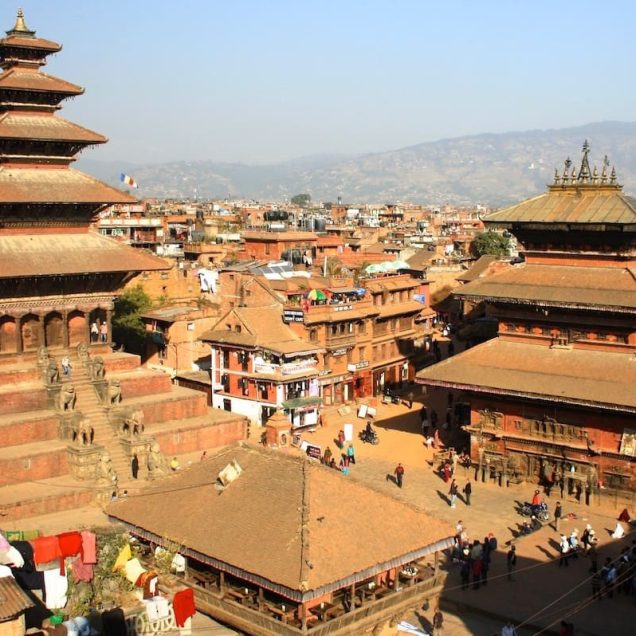
Bhaktapur Durbar Square is the historic heart of Bhaktapur, one of Nepal’s oldest cities, located about 13 kilometers east of Kathmandu. Famous for its exceptional Newar art and architecture, the square features centuries-old palaces, pagoda-style temples, and intricately carved wooden windows and doors. The city’s layout and buildings have remained largely unchanged, offering visitors an authentic glimpse into Nepal’s medieval past.
The square is home to significant landmarks like the 55-Window Palace, Vatsala Temple, and Nyatapola Temple—the tallest pagoda-style temple in Nepal—each showcasing exquisite craftsmanship. Bhaktapur’s living heritage is reflected in its active religious festivals, traditional pottery workshops, and cultural performances that continue to thrive alongside daily life.
Bhaktapur offers a quieter, more traditional experience compared to Kathmandu, with narrow lanes, local markets, and charming cafes. It is a must-visit destination for those seeking to explore Nepal’s rich history, art, and culture. Visitors are advised to wear comfortable shoes and dress respectfully when visiting temples and religious sites.
Bhaktapur Durbar Square, located in the heart of Bhaktapur city—just 13 km east of Kathmandu—is one of the most authentic, best-preserved royal palace complexes in Nepal. A UNESCO World Heritage Site, it offers an immersive journey through the artistic, cultural, and spiritual history of the Kathmandu Valley. Known for its pristine Newar architecture, cobblestone alleys, and centuries-old temples, Bhaktapur Durbar Square is often described as a living museum. Unlike the more bustling squares of Kathmandu and Patan, Bhaktapur’s square retains a more tranquil, uncommercialized atmosphere, ideal for those who wish to experience medieval Nepal at its finest.
The historical roots of Bhaktapur Durbar Square date back to the 12th century, flourishing especially during the reign of the Malla kings from the 14th to 18th centuries. The Malla rulers were great patrons of art and culture, and their legacy is evident in every corner of this square. Spread across a broad courtyard with views of the Himalayas in the background, the square showcases masterful brickwork, pagoda-style temples, stone sculptures, and intricately carved wooden windows.
At the heart of the square lies the 55-Window Palace, or Pachpanna Jhyale Durbar—perhaps the most iconic structure of Bhaktapur. Built during the reign of King Bhupatindra Malla, the palace features elaborate woodwork with 55 finely carved windows adorning its façade. It served as the royal residence for generations and reflects the finest craftsmanship of the Newari artisans.
Adjacent to the palace is the Golden Gate (Sun Dhoka), a gilded entrance considered one of the most beautiful in Nepal. It leads to the Taleju Temple and the palace courtyards, with motifs of Hindu deities crafted in stunning detail. Just nearby stands the Vatsala Temple, constructed of stone and known for its Shikhara-style architecture and grand bell—traditionally rung to alert citizens of important announcements or dangers.
Bhaktapur Durbar Square is filled with religious structures, each with its own significance and architectural style. The Nyatapola Temple, located slightly south of the main square in Taumadhi Tole, is a five-story pagoda and Nepal’s tallest traditional temple. Built in 1702, this architectural marvel dedicated to Goddess Siddhi Lakshmi stands atop five terraces guarded by stone statues of mythical creatures and deities, symbolizing strength and protection. Its earthquake-resistant design has helped it survive centuries of natural calamities, including the major earthquakes of 1934 and 2015.
Another important shrine is the Bhairabnath Temple, dedicated to Bhairab, a fierce manifestation of Lord Shiva. With its elaborate wood carvings and tiered pagoda design, it’s a revered space for locals and an architectural treasure for visitors.
Scattered throughout the square and surrounding lanes are shrines, resting platforms, and stone water spouts that reflect the intricate urban planning of medieval Newar society.
Bhaktapur Durbar Square isn’t just a historical monument—it remains a vibrant cultural hub where centuries-old festivals and traditions continue to thrive. Local Newar communities regularly use the square for rituals, social gatherings, and religious ceremonies. The most famous of these is Bisket Jatra, a thrilling, multi-day celebration held every Nepali New Year in April. During this event, massive wooden chariots carrying images of Bhairab and Bhadrakali are pulled through the streets in a dramatic tug-of-war between different neighborhoods.
Another notable festival is Gai Jatra, during which families who have lost loved ones in the past year honor their memories with public processions involving music, costumes, and satirical performances.
These festivals, deeply rooted in Bhaktapur’s identity, allow travelers to witness living traditions that have been passed down through generations.
Bhaktapur has long been a center for traditional arts and crafts, many of which are still practiced today. The area surrounding the Durbar Square is filled with pottery workshops, Thanka painting studios, and wood carving shops. Potter’s Square, just a short walk away, is especially famous for its open-air pottery production, where locals mold, fire, and dry earthenware using age-old techniques.
The square also serves as a social space where elders gather to chat under the sun, children play, and vendors sell traditional Newari snacks and souvenirs. It’s a reminder that Bhaktapur is not just a relic of the past—it’s a vibrant community where heritage and daily life are intertwined.
For those interested in learning more about Nepal’s history and culture, Bhaktapur offers small museums and galleries scattered around the square. The National Art Gallery, located within the 55-Window Palace, houses rare paintings, manuscripts, and carvings from the Malla period. Visiting these spaces helps visitors appreciate the depth of Bhaktapur’s legacy beyond its outward architecture.
Educational programs and guided heritage walks are also available, allowing tourists to dive deeper into Newar history, symbolism, and city design.
Although Bhaktapur Durbar Square suffered damage during the 2015 earthquake, many of its historic monuments have been restored through local and international efforts. The city’s commitment to preservation is reflected in its relatively strict tourism regulations—motor vehicles are restricted in the core heritage area, and there is a small entrance fee for foreign visitors. These measures not only protect the heritage but also contribute to the city’s economic sustainability.
The square serves as a model for cultural conservation, where heritage, local pride, and tourism coexist in balance.
Bhaktapur Durbar Square offers a unique combination of architectural splendor, artistic mastery, and vibrant local culture. Whether you’re a history enthusiast, a photographer, a spiritual seeker, or a casual traveler, this heritage site delivers an unforgettable experience. Its atmosphere is serene yet deeply alive, inviting visitors to slow down, observe, and connect with a way of life that has endured for centuries.
By walking through Bhaktapur’s stone-paved lanes, marveling at its temples, and interacting with its people, you’re not just witnessing the past—you’re participating in a living cultural legacy.

This will close in 20 seconds